Scenarios
A playable situation inside a world, where a story starts and who can play it.
A scenario is a starting point in a world: where the story begins and who can play it. Without a scenario, a world cannot be played.
A player sees the scenario's page. The AI gets its two texts once, as the first two messages of the story:
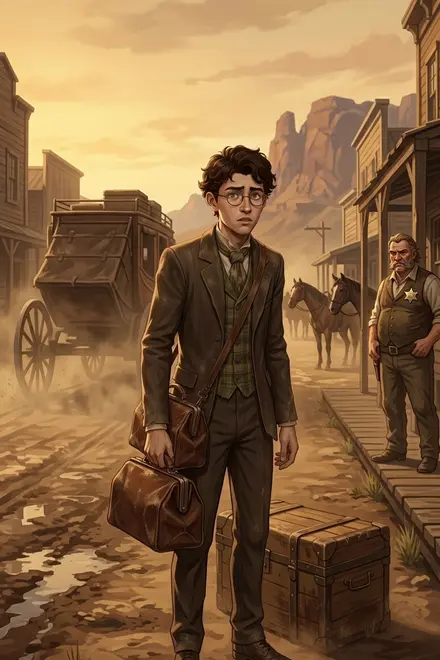
Western
The Doctor's Son
The Redvale Valley
 Narratica
0 likes0 chats
Play
About this scenario
The stagecoach just left and the dust tastes like the end of everything you knew. You are Elijah Dawson…
Story preview
The stagecoach pulled away and left you standing in dust that tasted like the end of everything you knew…
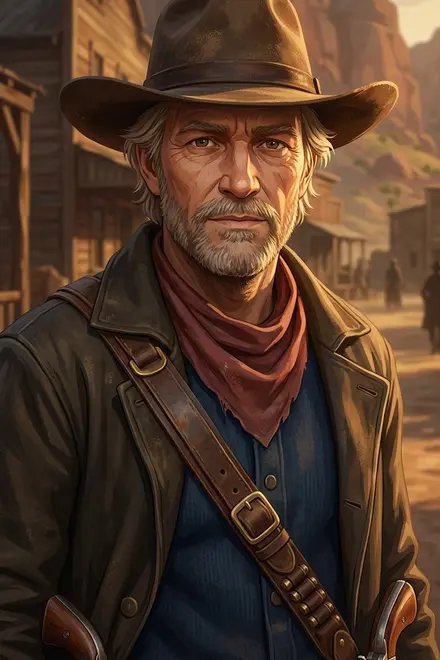
Tom Garrity
Sheriff
What the AI gets
- Prologue, as the narrator's first message
The stagecoach pulled away and left you standing in dust that tasted like the end of everything you knew. Redvale. One street. A dozen buildings. Mountains rising behind them like a wall between you and the world you came from.
- Opening message, as Tom Garrity's first message
"You'd be Dawson's nephew. You've got your father's face - same jaw, same way of standing like you're thinking three things at once. I'm Garrity. Your uncle knows you're coming but he's not the type to meet a stage."
- Protagonists, as who you can be
- Elijah Dawson
Not the title, the description or the cover image. And after those first two messages the scenario itself is gone from the AI's view, while the world, its characters and places, and your protagonist stay.
What a scenario is made of
| Field | Who reads it | Limit |
|---|---|---|
| Title | players | 64 characters |
| Protagonists | players, and the AI | at least one character |
| Opening character and message | shown at the start | 1024 characters |
| Description | players | 1024 characters |
| Prologue | shown at the start | 1024 characters |
| Cover image | players | one picture |
Every field except the opening has to be filled in. Even then, a scenario can be played only once its world and every character it uses are finished too. Its edit screen lists what is left.
Protagonists
The characters a player can choose to be. They come from the world's characters; a scenario needs at least one. The one the player picks becomes their persona for the whole story.
Not in the app yet: a persona of your own
Later, a player will have two ways in: pick one of the protagonists you chose, or bring a persona they wrote themselves. See more on the page Personas.
Prologue
The first thing a player reads when the story starts: where they stand and who they are, said to them by the narrator. It is shown exactly as you wrote it, as the narrator's first message; the AI does not rewrite it. Up to 1024 characters, and it can use bold and italic. See more on the page Markdown. How to write one is on the page Writing scenarios.
Opening character and message
Optional. One character from the world who is not a protagonist of this scenario, and a line they say right after the prologue, shown exactly as written as that character's first message, so the player's first turn answers someone. In the team's Western scenario the sheriff speaks first: "You'd be Dawson's nephew. You've got your father's face…" If you skip this, the story starts with the prologue and the player's first message.
Description
For players, on the scenario's card and page: what the story is about and who they will be. It can use bold and italic. See more on the page Markdown.
The AI never reads the description
What the player needs to know at the start goes in the prologue.
Cover image
Any picture you have: it becomes the scenario's card and the top of its page. The same rules apply as for a world's cover image: a tall picture works best, it is shrunk to 1536 pixels and checked before it is saved, and you can change it later.
The AI does not see the picture
One world, many scenarios
Scenarios share the world. The same characters and places can be in ten scenarios or more, each one a different moment: the night the stranger arrives, the winter three years later, the same night from the sheriff's side. In one world you can play the sheriff in one scenario and the stranger in another.
What stays true for the whole story
The prologue and the opening message become the first two messages of the story. From then on they are part of the story's history like any other message. The AI no longer has the scenario in front of it, only the world, the characters, the places and your protagonist.
What must stay true for the whole story belongs in the world's definition, because the prologue is only the first message
How is this guide?
Last updated on September 27, 2026