Building a world
The world wizard, one screen at a time.
Coming soon
This page describes something that is coming to the app, not something you can do in it today. See more on the page What's live now.
A world is the first thing you build and the thing everything else hangs on. The wizard has six screens. Five of them take a minute each; the definition takes longer, because it is the one the AI reads.
The six screens
Name your world
The name can be up to 64 characters. This screen creates and saves the world. The name is on every card, and the AI sees it too, as The story is set in a world called The Redvale Valley.
Name your world
Name
18/64
Continue
Add a subtitle
The app asks for A short tagline that captures your world at a glance, one line of up to 64 characters under the name on the card. It is for players only.
Dust, cattle, and the law of the Winchester
Choose a setting
The app asks you to Pick the setting that best fits your world from its list: Fantasy, Urban fantasy, Sci-fi, Cyberpunk, Dystopia, Steampunk, Western, Mythology, Historical or Urban. The setting decides the world's colors in the app and tells players what to expect, but the AI does not see it. The list is fixed, so pick the closest one.
Choose a setting
Pick the setting that best fits your world.
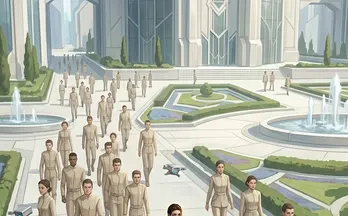
Dystopia
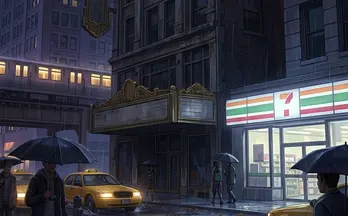
Urban Fantasy
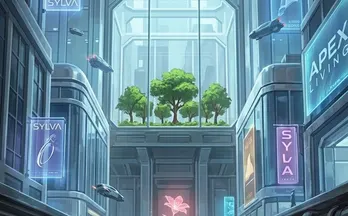
Sci-Fi

Cyberpunk

Fantasy
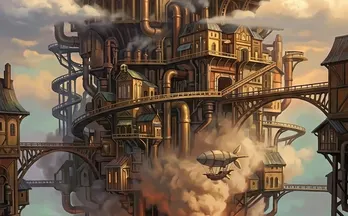
Steampunk
Historical
Mythology

Urban
Western
Continue
Fill in later
Describe your world
The app asks What makes this world worth exploring? The answer is up to 1024 characters, for players. This is the back of the book: it says where and when the world is, what is going on and who the player will be. You can use bold and italics; see more on the page Markdown.
Wyoming Territory, 1882. The town of Redvale sits between the Bighorn Mountains and the open range - cattle outnumber people ten to one, and the nearest telegraph is a two-day ride east.
Elijah Dawson is 22, a doctor's son from St. Louis who has never roped a calf or slept under stars. His parents are buried. The only family he has left is an uncle he has never met.
Define your world
The app asks you to Spell out the rules, tone, and lore that guide every story set here, in up to 2048 characters, for the AI. This is the one field the AI reads, so it gets its own section: see more under The definition below.
Define your world
Spell out the rules, tone, and lore that guide every story set here.
Definition
0/2048
Continue
Add a cover image
The app says Give your world a face, and any picture you have will do, because you can change it later and it is for players only. The screen shows the card as players will see it, with the world's setting on it and, until every field is filled, an Incomplete tag.
Add a cover image
Give your world a face. You can always change it later.
Incomplete
Western
 Narratica
The Redvale Valley
Dust, cattle, and the law of the Winchester
Choose from gallery
Finish
Add a cover image
Give your world a face. You can always change it later.
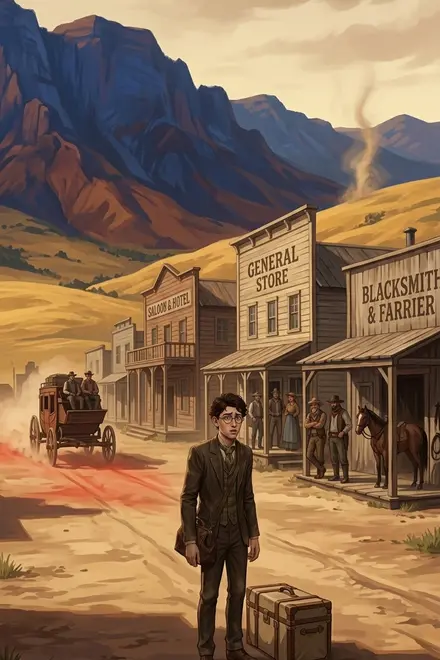
Unplayable
Western
NarraticaThe Redvale Valley
Dust, cattle, and the law of the Winchester
Choose a different image
Finish
Every screen after the first has Fill in later, except the cover screen, where Finish works with or without a picture. The world stays incomplete until every field is filled, and the edit screen lists what is missing.
The definition
The definition is the text the AI reads before every single turn of every story in this world, and it is the only place the world can tell the AI how to behave. The other fields are for players, and this one is for the narrator who runs the scenes. With a thin definition the AI has to guess, and it guesses differently in each story.
The app's own hint names the three things it is made of:
- Rules are what can and cannot happen here. No electricity, no digital systems. Magic is rare and always costs something. Violence is real with consequences.
- Tone is how the stories should feel, said with concrete things rather than one adjective. Spare, honest, grounded in the physical reality of frontier life - dust, heat, animal sweat, the weight of a fence post.
- Lore is what is true about the place: who has power, what people are afraid of, what the town is like and what the people in it value. Redvale is a real frontier town: small enough that everyone knows everyone, tough enough that survival requires cooperation.
Write instructions to the narrator
Players never read the definition. The narrator reads it before running a scene, so write it to the narrator. The team's worlds all begin the same way:
You narrate a Western drama set in 1880s Wyoming Territory. Tone: spare, honest, grounded in the physical reality of frontier life - dust, heat, animal sweat, the weight of a fence post, wind across open grass. Redvale is a real frontier town: small enough that everyone knows everyone, tough enough that survival requires cooperation. Ranch life must be accurate - cattle work, horse breaking, fence mending, seasonal rhythms. The landscape is vast, indifferent, beautiful, and capable of killing the careless. Elijah is a fish out of water - educated, physically soft - and his journey is earned respect through willingness to fail, learn, and try again. The clash between education and frontier pragmatism is the central tension. Romance develops slowly through shared work and mutual respect. Dialogue is spare; people say what they mean. Violence is real with consequences. Honor, family, and land are the values that matter.
What each sentence does:
- What kind of story this is. A Western drama set in 1880s Wyoming Territory. One line, and the AI knows the genre, the period and the place.
- Tone. Spare, honest, grounded in the physical reality of frontier life. How it should feel, and then five concrete things that feeling is made of: dust, heat, sweat, a fence post, wind.
- Rules of the world. Ranch life must be accurate. Violence is real with consequences. What is allowed and what it costs.
- The engine of the story. The clash between education and frontier pragmatism is the central tension. The AI now knows what every scene is about, even a quiet one.
- How people talk. Dialogue is spare; people say what they mean. This one line changes every character's voice at once.
- Values. Honor, family, and land. What the characters will act on.
What to put in
Go through these and answer each in a sentence or two. You will not need all of them; you will usually need most.
- Genre, period, place. Where and when, in one line.
- Tone. Three or four adjectives, then the concrete things they are made of.
- Technology or magic. What exists, what does not, what it costs. Magic is rare and always costs something. No electricity, no digital systems.
- How the world is arranged. Who has power, who does not, what people are afraid of. The team's steampunk world spends three sentences on which level of the city each class lives on, and every scene in it is shaped by that.
- The central tension. What the stories here are about, said in one sentence.
- How people speak. Spare or ornate, formal or blunt, modern or old.
- What is off limits. No pure villains. The kingdom's grief is real and must not be dismissed. These are rules for the AI, and the players never see them.
- Smells, sounds and materials. Brass, copper, iron, and coal are the materials of life. The smell of thyme and burning offerings. The AI reaches for these when it describes anything.
What to leave out
- Plot. Where a story starts belongs in a scenario's prologue, because the world's definition says only what is always true.
- Character details. A sentence about the protagonist's role is useful, such as Elijah is a fish out of water, but their personality and history belong in the character's definition, where the AI reads them next to the character's name.
- Things the player should discover. The AI will use whatever it knows, so if the twist is in the definition, it may tell it early. Put secrets in a character's definition with a note on when they come out, or keep them for a later scenario.
- Marketing. An epic world of adventure! means nothing to a narrator, so say what the adventure is made of instead.
Length
You have 2048 characters, and the team's definitions use most of them, in one paragraph of ten to fifteen plain sentences. Short sentences work better than long ones here, because each one is a rule the AI can follow, so if you find yourself writing and three times in a sentence, split it.
This is what the same screen looks like with a definition in it, and the counter under the field is the only thing that tells you how much room is left.
Define your world
Spell out the rules, tone, and lore that guide every story set here.
Definition
812/2048
Continue
Test it
The fastest way to check a definition is to play it, so make one character and one scenario with a short prologue, and play five turns. If the narrator gets the tone wrong, the definition is missing a sentence about tone. If it invents technology the world does not have, add the rule. Then edit the definition and try again.
A change to the definition reaches the next story you start, while the one running keeps its copy
After the wizard
The victory screen says Your world is born! and offers the next step: Add a character, Add a place or Add a scenario. A world is not playable until it has a playable scenario, so the shortest path is one character and then one scenario with that character as its protagonist. Until then the card says Unplayable.
Unplayable
Western
NarraticaThe Redvale Valley
Dust, cattle, and the law of the Winchester
Your world is born!
Now bring it to life. Add characters, places and scenarios. Once a scenario is ready, your world becomes playable.
Add a character
Add a place
Add a scenario
Go to your world
If you skipped a screen, the victory screen says A great start! instead, and Finalize your world takes you to the edit screen.
The edit screen
Go to your world opens it, and at the top is the Path to playable checklist, where every field you filled is struck through and what is left is a row you can tap. For a finished world that is one row, Add a playable scenario, because nothing else makes a world playable. See more on the page Path to playable.
Path to playable
6 / 7Add a name
Add a subtitle
Add a description
Add a cover image
Choose a setting
Define your world
Add a playable scenario
Under the checklist are all the fields again, with their counters. They save as you type. This is where you come back to change the definition after you have played a few turns.
How is this guide?
Last updated on September 27, 2026